Low EC vs. High EC Coco Peat: The B2B Procurement Guide for Commercial Greenhouses
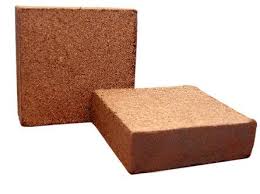
When a commercial greenhouse loses a crop of tomatoes or berries, the post-mortem almost always lands on one number: electrical conductivity, or EC. It is the single most important specification on a coco peat datasheet, and it is the fastest way to tell a premium substrate apart from a cheap one. If you are sourcing at container volume, understanding the difference between low EC and high EC coco peat is the difference between a reliable growing season and a very expensive mistake. This guide breaks it down from a procurement point of view, so you know exactly what to specify, how to verify it, and when a lower price is really a hidden cost.
What EC Actually Measures in Coco Peat
Coconut coir is naturally grown in coastal regions, so raw coir pith carries a load of soluble salts — mainly sodium and potassium chlorides absorbed from seawater and soil. Electrical conductivity measures how many of those dissolved salts remain in the material. The higher the EC, the more background salt your plants have to fight through before they can take up the nutrients you feed them. For salt-sensitive crops, a high starting EC effectively poisons the root zone.
There is an important catch for buyers: EC numbers are meaningless without the extraction method. A “1:1.5” reading (one part substrate to 1.5 parts water) produces a much higher number than a “1:5” or “1:6” pour-through reading of the same material. Always confirm which method a supplier used before you compare two datasheets — otherwise you may reject good material or accept poor material on a technicality.
Low EC vs. High EC: The Specification Table
The table below compares the three grades PPM ships most often. Note how EC, expansion volume and end-use are linked — you are not simply buying “coco peat,” you are buying a grade matched to a crop.
| Specification | Washed Low EC Block | Buffered Coir (bags/slabs) | Unwashed High EC Pith |
|---|---|---|---|
| EC level | < 0.5 mS/cm (1:1.5) | < 0.8 mS/cm | 1.5 – 2.5 mS/cm |
| pH range | 5.5 – 6.8 | 5.8 – 6.5 | 5.5 – 6.8 |
| Expansion | 75 – 80 L / block | Pre-hydrated format | 70 – 75 L / block |
| Moisture | 10 – 15% max | As packed | < 18% |
| Sand / impurity | < 3% | < 3% | Higher |
| Best for | Nurseries, potting, open field | Greenhouse hydroponics | Animal bedding, soil conditioning |
Typical export specifications. Always request a batch-specific lab report.
Washed, Unwashed and Buffered — Know the Three Terms
Buyers often use “low EC” and “buffered” interchangeably. They are not the same thing, and the distinction matters when you are writing a purchase specification.
Unwashed (high EC)
Raw coir pith straight from the coconut, with its natural salts intact. It is the cheapest grade and perfectly good for animal bedding, mushroom substrate, bulk soil conditioning and salt-tolerant field crops — applications where a bit of background salinity does no harm.
Washed (low EC)
The pith is rinsed with fresh water to flush out the soluble salts, dropping EC below roughly 0.5 mS/cm. This is the workhorse grade for nurseries, potting mixes, landscaping and general horticulture.
Buffered
Buffering is a chemical step, not just a rinse. The coir is soaked in a calcium nitrate solution so that calcium and magnesium ions permanently displace the sodium and potassium clinging to the coir’s cation exchange sites. Without buffering, those bound ions release later — right when you start feeding — and lock out calcium and magnesium from your plants. That is why fully buffered coir is the non-negotiable standard for professional grow bags and slabs growing tomatoes, cucumbers, capsicum and berries.
Procurement rule of thumb: if the crop is going into a controlled greenhouse and being fed a precise nutrient solution, specify buffered coir. If it is going into soil or a forgiving potting mix, washed low EC is usually enough. Only choose unwashed high EC when salinity genuinely does not matter.
Why the Cheapest Block Is Rarely the Cheapest Substrate
High EC pith always quotes lower per block, and for the wrong buyer that headline price is a trap. Three hidden costs turn a cheap block expensive:
- Crop risk. A single failed hydroponic cycle costs far more than the entire substrate order. Salt stress shows up as stunted growth and nutrient deficiencies that are hard to diagnose in-season.
- Extra processing at your end. If you buy unwashed material for a salt-sensitive use, you have to wash and buffer it yourself — labour, water and time you have now paid for twice.
- Inconsistency. Poorly processed pith varies block to block, so your feed program never stabilises. Consistency is worth paying for.
The right frame is cost per usable litre of the correct grade, landed at your facility — not price per block. See how the grades map to end use in our product range.
How to Verify Quality Before You Order a Container
A credible low EC coco peat wholesale supplier will never ask you to take EC on faith. Build these four checks into your sourcing process:
- Recent lab report. Batch-specific, showing EC, pH, moisture and sand/impurity — with the extraction method stated.
- Paid sample block. Hydrate it, measure EC yourself with a pour-through test, and check for consistent expansion and low grit.
- Written specification in the contract. EC ceiling, pH band, moisture cap and impurity limit, so off-spec deliveries are your recourse, not your loss.
- Pre-shipment inspection. For large or first-time orders, a third-party inspection at the loading port is cheap insurance.
Matching Grade to Market
Different import markets skew toward different grades. Greenhouse-heavy regions such as the Netherlands, South Korea and parts of the United States pull mostly buffered slabs and low EC blocks for hydroponics, while blenders in the US, Australia and New Zealand buy washed low EC in bulk for potting-soil manufacture. Knowing your downstream customer tells you which grade to specify — and lets your supplier optimise the load for you.
Ready to move forward? Request a quote with your target grade and volume, and we’ll come back with FOB/CIF pricing and lead times.
Ready to source export-grade coco peat?
Get lab-tested specifications, container pricing (FOB/CIF) and a free sample block shipped to your facility.
Frequently Asked Questions
What EC level should coco peat be for hydroponics?+
For sensitive hydroponic crops, use washed low EC coco peat below 0.5 mS/cm (1:1.5 extraction) or fully buffered coir below 0.8 mS/cm. High EC pith (1.5–2.5 mS/cm) is only suitable for animal bedding, bulk soil conditioning or salt-tolerant field crops.
What is the difference between washed and buffered coco peat?+
Washing rinses out excess salts to lower EC. Buffering goes further: the coir is soaked in a calcium nitrate solution so calcium and magnesium displace the sodium and potassium bound to the coir, preventing a nutrient lock-out when you start feeding. Buffered coir is the standard for professional grow bags and slabs.
What pH range is normal for coco peat?+
Quality coco peat sits between pH 5.5 and 6.8, which is ideal for most greenhouse crops and lets growers dial in nutrient availability. Values far outside this range indicate poor processing.
How do I verify coco peat EC before importing?+
Request a recent third-party lab report, ask for the extraction method used (1:1.5 vs 1:5 give very different numbers), and order a paid sample block to test yourself before committing to a full container. A reputable low EC coco peat wholesale supplier will provide all three.