Importing Coir Substrates from India: Phytosanitary, Quality Testing, and HSN Compliance
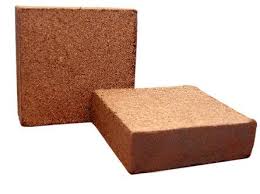
India is one of the world’s largest suppliers of coir, and for good reason: abundant raw material, mature processing and competitive pricing. But the moment you decide to import coco coir from India, the product stops being the hard part — the paperwork does. A single missing phytosanitary certificate or a wrong HS code can hold your container at the destination port, rack up demurrage charges and delay your growing season. This guide is the compliance checklist we wish every first-time importer had: the documents, the testing and the codes that keep your cargo moving.
Get the HS Code Right: 53050040
Coir pith and coco peat are classified under HS (HSN) code 53050040. This code must appear correctly on your commercial invoice and packing list. It determines the duty rate applied in the destination country and is the first thing customs checks. An incorrect code is one of the most common — and most avoidable — causes of clearance delays.
Tip: confirm the destination country’s tariff treatment for HS 53050040 early. Some markets apply reduced or zero duty to horticultural coir, which materially affects your landed cost.
The Core Import Document Set
Every shipment of Indian coir should travel with a standard documentation package. Missing any one of these can stop the container at the border.
| Document | Issued by | Why it matters |
|---|---|---|
| Commercial Invoice | Exporter | Declares value, HS code and terms for customs. |
| Packing List | Exporter | Details blocks, weight and load configuration. |
| Bill of Lading | Shipping line | Title document and proof of shipment. |
| Certificate of Origin | Chamber / authority | Confirms Indian origin for duty and trade rules. |
| Phytosanitary Certificate | Plant protection authority | Certifies freedom from quarantine pests. |
| Fumigation Certificate | Licensed fumigator | Confirms methyl bromide / phosphine treatment. |
| Lab Test Report | Testing lab | Verifies EC, pH, moisture and impurity. |
A typical compliant document set for importing coir from India.
Phytosanitary and Fumigation: The Two That Trip People Up
Because coir is an organic plant product, importing countries want assurance it will not carry pests or pathogens across borders. Two certificates handle this, and they are the ones most often forgotten until it is too late.
Phytosanitary certificate
Issued by India’s plant protection authority after inspection, this document certifies the consignment is free from regulated quarantine pests. Most countries make it mandatory for coir imports, and it must be issued before the vessel sails — you cannot obtain it retroactively.
Fumigation certificate
Confirms the cargo was treated (commonly with methyl bromide or phosphine) to eliminate any living organisms. Some destinations specify the treatment type and dosage, so check your country’s requirements and state them in the purchase order.
Plan the lead time. Inspection and certificate issuance take days, not hours. Build documentation lead time into your schedule so certificates are ready before loading — not chased after the container has left.
Quality Testing Before You Commit
Compliance keeps the container moving; quality testing keeps your crop alive. The two are separate checks and you need both. Before you finalise an order, verify the substrate itself:
- Batch lab report covering EC, pH, moisture and sand/impurity content, with the extraction method stated.
- Paid sample block that you hydrate and test yourself for EC, expansion and grit.
- Written specification embedded in the contract, so an off-spec delivery is a breach you can act on.
- Pre-shipment inspection for large or first-time orders — a small cost against a container-sized risk.
If you are still deciding which grade to test, our product range outlines washed low EC, buffered and high EC options and their end uses.
Supplier Credentials Worth Checking
A serious Indian coir exporter will hold recognisable registrations that signal legitimacy and export readiness. When vetting a supplier, look for:
- MSME registration and GST registration, confirming a legally operating Indian business.
- RCMC (Registration-cum-Membership Certificate) and export promotion council membership, required for export incentives and credibility.
- A track record of issuing complete phytosanitary and fumigation paperwork without prompting.
The Import Workflow, Start to Finish
- Agree grade, specification, Incoterms (FOB/CIF) and loading port.
- Receive and approve a batch lab report and sample block.
- Confirm HS code 53050040 on the draft invoice and packing list.
- Supplier arranges phytosanitary, fumigation and certificate of origin before loading.
- Vessel sails; you receive the full document set to clear customs.
- Clear customs, take delivery, and hydrate on arrival.
Have your destination country and volume ready? Request a quote and we’ll confirm pricing, documentation and lead time for your market.
Ready to source export-grade coco peat?
Get lab-tested specifications, container pricing (FOB/CIF) and a free sample block shipped to your facility.
Frequently Asked Questions
What is the HS code for coco peat / coir pith?+
Coir pith / coco peat is classified under HS (HSN) code 53050040. Using the correct code on the commercial invoice and packing list is essential for smooth customs clearance and correct duty assessment in the destination country.
Do I need a phytosanitary certificate to import coco coir?+
Yes. Most countries require a phytosanitary certificate issued by India's plant protection authority confirming the consignment is free from quarantine pests, usually alongside a fumigation certificate (methyl bromide or phosphine) and a certificate of origin.
What documents are needed to import coir from India?+
A typical set is: commercial invoice, packing list, bill of lading, certificate of origin, phytosanitary certificate, fumigation certificate and a lab test report for EC/pH. Buffered or organic-certified product may require additional certificates.
How do I confirm coir quality before shipment?+
Ask for a batch-specific lab report (EC, pH, moisture, sand/impurity content), order a paid sample block, and where volume justifies it, arrange a pre-shipment inspection. Building these into the purchase agreement protects you against off-spec deliveries.